Surges come from lightning, utility switching, large motors cycling and equipment faults, so protection is not just for stormy weeks. The electrician installs a device on a dedicated breaker, checks the grounding and explains how to tell when it has worn out. Call the number on this page to be connected with a local electrician in Carefree.
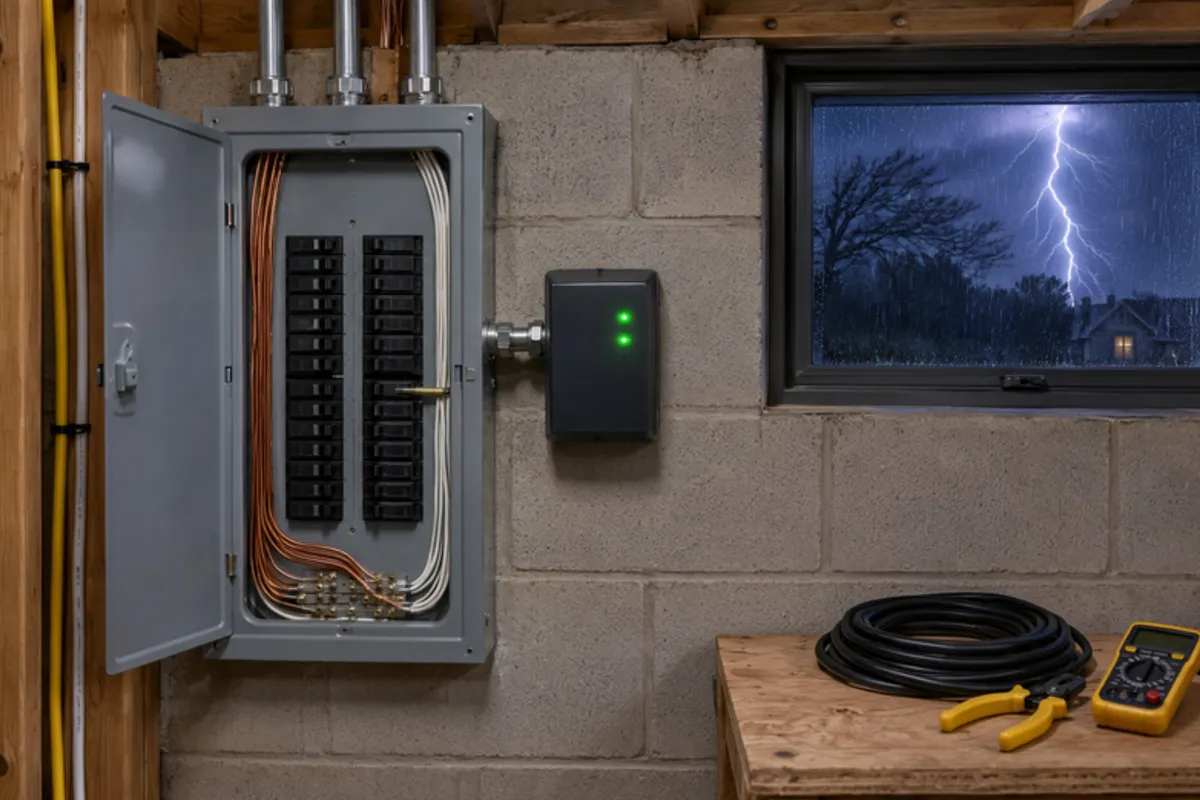
Panel protector or plug-in strip
A strip protects only what is plugged into it and often wears out without any visible sign. A panel-mounted device guards every circuit, including the AC, the pool equipment and hardwired appliances that no strip can reach. Electricians generally treat the panel device as the foundation and strips as backup for expensive electronics.
Utility events and heat
On the hottest days, grid equipment is stressed, and utility switching can create brief spikes or dips. These events rarely make the news, and they are the kind a panel protector handles. Brownout-style dips are another matter and call for different equipment, which an electrician can explain.
Because many houses here date to the 1980s, expect the electrician to look at the panel's condition and ground path as part of any surge protection visit.
Large lots mean long wire runs to detached garages and pumps, which pick up spikes easily, so electricians often recommend more than one protection point.
Questions to ask before you agree
- Which device, and what does its indicator show?
- Is the grounding in good shape?
- Does the price include the permit?
- Are there extra protectors for the AC?
Specific answers tell you the electrician has actually looked at your panel and not just quoted a standard job.
How you will know it works
Most devices show a status light, either green or a failure color. The electrician should show you where to find it and what each state means. Check it after storms, and note any change. A dark or red light means protection is gone and the device should be replaced.
Replace the device when it says so
Protectors absorb damage by design, and each big event uses up some of their capacity. A failed indicator means the device is no longer protecting. Replacement is usually quick, and an electrician can swap it during any visit. Do not leave a spent device in place and assume the house is covered.
Who to call for what in Carefree
Your electric bill names the utility that serves the house. That company handles outages, meters and lines on the street side; an electrician handles everything past the meter.
If you see sparks, smoke or flames, or smell something burning from an outlet, switch or panel, get everyone out and call 911 before anything else. For a power line on the ground, stay at least 100 feet away, call 911, then call the utility.
If the job involves a new panel, added circuits or an EV charger, expect a permit and inspection through Carefree Building Department.
In Arizona, electrical contractors need a license from the Registrar of Contractors (ROC). Residential electrical work falls under the R-11 class, and the ROC's online contractor search shows whether a license is active.
Calls from Carefree are often matched with electricians who also cover Scottsdale, Cave Creek and New River.
Whole-Home Surge Protection questions in Carefree
Will a surge protector protect my AC?
Can I install a surge protector myself?
What if my outlets are two-prong?
Does my home's age matter for surge protection?
More electrical services in Carefree
Whole-Home Surge Protection nearby
Helpful guides
Sources
Last updated: